
Ancient Korean Native American Connection: Unveiling a Theory
Unearthing the Ancient Korean Native American Connection: A Shared Past
The core solution presented by this research is deceptively simple: that populations migrated from Asia to the Americas far earlier, and with more specific cultural baggage, than widely accepted narratives often allow. This isn’t a dismissal of the Beringia land bridge theory, but rather an enrichment of it, detailing *who* might have crossed and *what* they carried with them. The evidence isn’t monolithic; it’s a mosaic, pieced together from artifacts, linguistic echoes, and customs that have persisted through countless generations. For the uninitiated, the idea of an **ancient Korean Native American connection** might seem like a grand, improbable leap. But as we unpack the details, the narrative begins to coalesce, demanding a re-evaluation of what we thought we knew about early human movements.
Echoes in Ritual and Adornment: Cultural Parallels
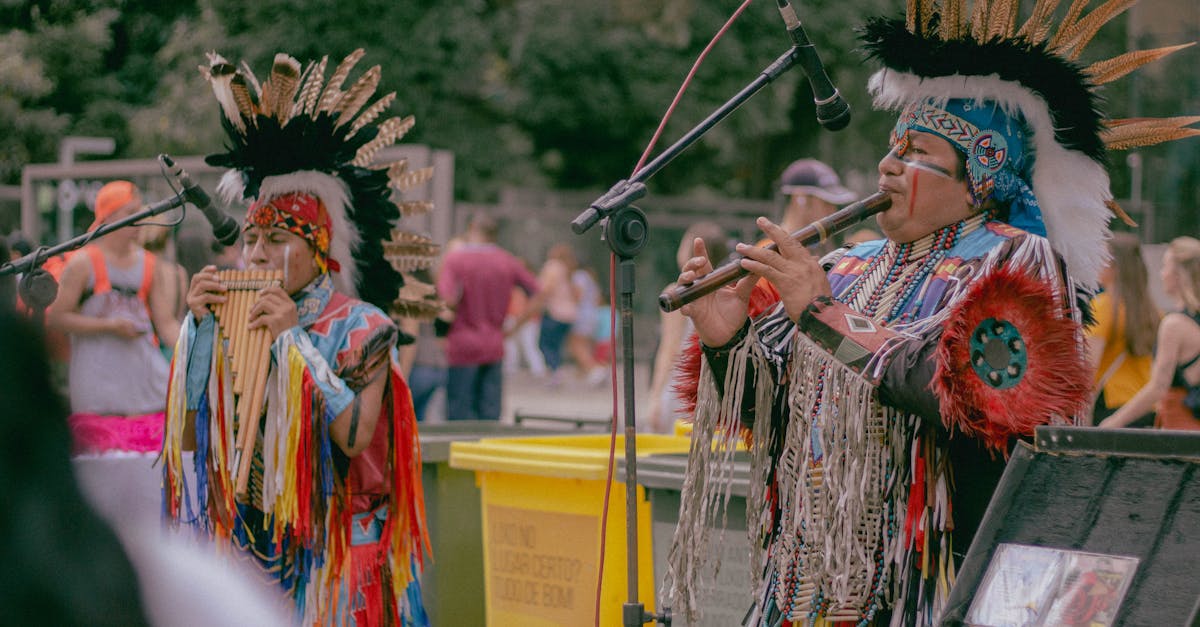
One of the most immediate points of connection, discernible even to a casual observer, lies in the shared cultural practices that transcend geographical boundaries. It’s not just about what people wore or how they celebrated, but the underlying philosophies those practices represented.
* **Animal Naming Traditions:** Consider the deep reverence for animals embedded in both cultures. Ancient Korean tribal groups, such as the Buyeo, famously bore animal names: *Maga* (horse), *Uga* (cow), *Guga* (dog), and *Jeoga* (pig) tribes. This wasn’t merely nomenclature; it was identity, a reflection of their relationship with the natural world. Strikingly, numerous Native American tribes across the Americas shared this profound tradition, assigning animal names to individuals and groups—a practice that resonates deeply in stories from “Dances with Wolves” to countless oral traditions. It suggests a shared cosmology, where humans and animals are intertwined in the fabric of existence.
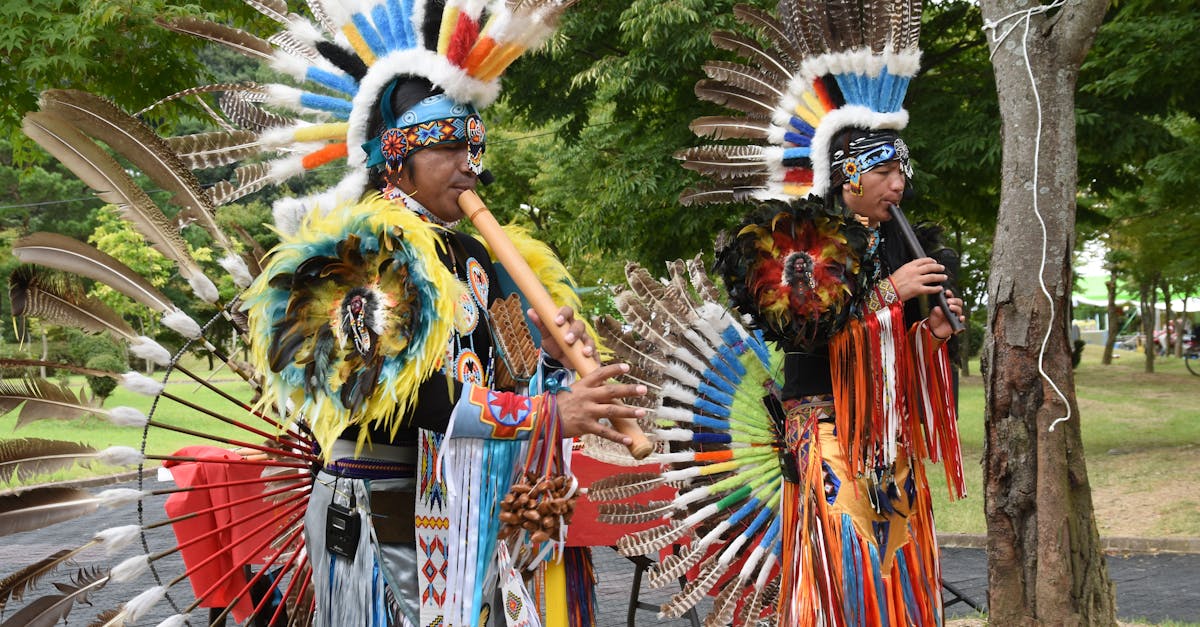
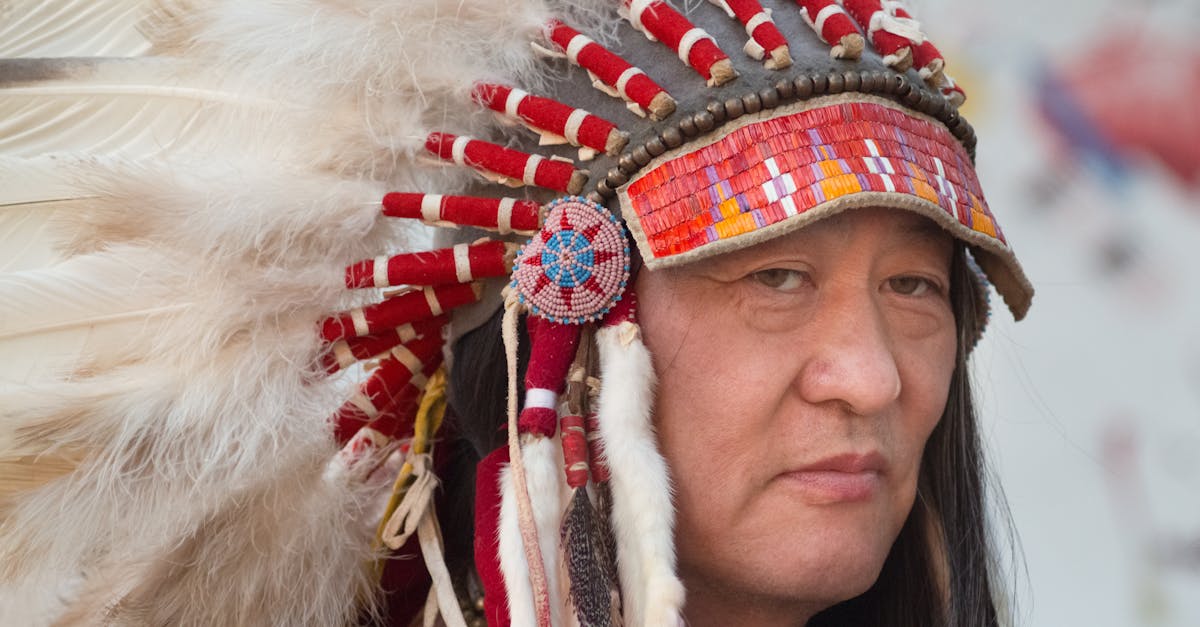
* **Feather Headdresses:** The iconic feather headdress, so strongly associated with Native American cultures as a symbol of honor and spiritual connection, also has a curious historical footprint in ancient Korea. Tang Dynasty paintings, meticulous in their detail, depict envoys from the Korean kingdom of Goguryeo adorned with elaborate feather headdresses. It’s a visual echo, a sartorial flourish that hints at a common aesthetic and perhaps even shared ceremonial significance.
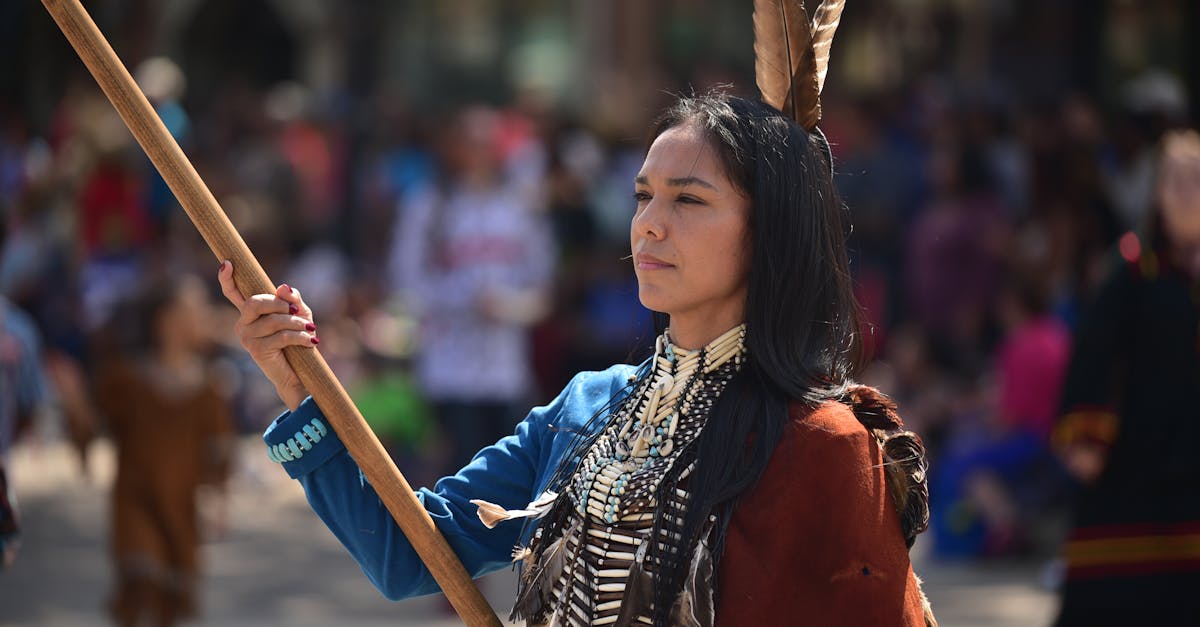
* **Widespread Earring Use:** Then there’s the humble earring. Today, we might see it as fashion, but for millennia, it was a profound cultural marker. Both ancient Koreans and Native Americans widely adopted the practice of wearing earrings, not just for women, but across all genders and ages. In Korea, this tradition was so deeply ingrained that it persisted until the 16th century, when a royal decree by King Seonjo, influenced by the Ming Dynasty’s perception of it as a “barbaric” custom during the Imjin War, led to its decline. The parallel isn’t just the existence of earrings, but their widespread, culturally significant deployment.
The Earth’s Silent Witnesses: Archaeological Footprints
Where cultural practices provide a soft, humanistic connection, archaeological finds offer the cold, hard proof—the enduring material culture that speaks across millennia. The ground, it turns out, is a remarkably reliable archivist.
* **Mound Tombs:** Journey to Gyeongju, Korea, and you’ll encounter the majestic royal tumuli—large, earthen mound tombs that punctuate the landscape. Similar monumental structures are found at sites like Bogam-ri in Jeolla Province. These aren’t just burial sites; many feature flat tops, suggesting their use for both interment and ceremonial purposes. Now, transport yourself across the Pacific to ancient Native American civilizations, and you’ll find strikingly similar mound structures, often with flat tops, serving identical functions. The scale, the design, the purpose—it’s a blueprint seemingly shared, suggesting not independent invention but a common architectural heritage.
* **Megalithic Structures (Dolmens):** And then there are the dolmens of Gochang, Korea. These monumental stone burial chambers, constructed for early rulers, are staggering in their scale and engineering. Remarkably, similar megalithic structures—grand stone tombs—are found in regions like Mexico and Colombia. The sheer effort involved in constructing these massive stone edifices points to a shared worldview regarding death, lineage, and the honoring of ancestors, a tradition so deeply ingrained it manifested in identical architectural forms on separate continents.
Pottery’s Imprint: Crafting Shared Narratives
Perhaps no archaeological evidence speaks more eloquently than pottery. It’s both utilitarian and artistic, a canvas for cultural identity and technological prowess.
* **Comb-Pattern Pottery (Bissalmuni Toggi):** The distinct comb-pattern pottery, with its signature pointed base, is a hallmark of early Korean archaeology. Its ingenious design wasn’t arbitrary; the pointed base was perfectly suited for cooking by embedding it in soft ground near riverbanks or coastlines, ideal for simmering fish and shellfish. This specific, highly functional design is also found among the earliest Native American artifacts. The parallel isn’t just in the pattern, but in the functional adaptation to a similar lifestyle, one marked by an abundance of shell mounds (*paechong*) found in both Korea and along the Mississippi River.
* **Perforated Pottery:** Adding to this intricate puzzle are pieces of pottery featuring unusual perforations around their rims. Identified in Korean archaeological collections, these curious forms have identical counterparts in Native American artifacts.
* **Belt-Pattern Pottery:** Ancient belt-pattern pottery from Korea, predating the Balhae kingdom, finds its mirror image in archaeological discoveries from the Mississippi River basin.
* **Animal-Shaped (Seosuryeong) Pottery:** Auspicious animal-shaped vessels (*Seosuryeong Toggi*), designed to represent revered creatures with distinct heads, tails, and spouts, are prevalent in Korean archaeological findings. And here’s the kicker: remarkably, identical forms are found across the Americas, particularly concentrated along the Mississippi River, Mexico, and South America. These aren’t abstract shapes; they are specific, representational forms, suggesting a shared symbolic language.
Linguistics as a Rosetta Stone: Unraveling Place Names and Words
If artifacts are the bones of a culture, language is its beating heart. The linguistic connections proposed by this research are arguably the most controversial, requiring a nimble ear and an open mind, but they are also some of the most compelling. The speaker, with an ear for phonetic shifts and ancient meanings, proposes some truly fascinating derivations:
* **Mississippi River:** The very name ‘Mississippi’ is argued to derive from ancient Korean. ‘Mitchi’ (미치) in old Korean meant ‘fish’ (from ‘Mi’ for water and ‘Chi’ for fish, as seen in fish names like *galchi*, *myeolchi*, *eun-chi*). ‘Nolda’ (놀다) meant ‘to play/swim’. Early French records, misinterpreting the sounds, recorded ‘Mitchi-gan’ (미치간) as ‘fish place’ or ‘fish river’. French influence, which often softened the ‘ch’ sound to ‘sh’ or ‘ss’, further transformed ‘Mitchi’ into ‘Missi’. Thus, ‘Mississippi’ is posited as ‘Mitchi-ssi-ppi’ (fish-house/river), meaning ‘river abundant with fish’ or ‘fish house’. This echoes the ancient name of Incheon, Korea, ‘Michu-hol’ (미추홀), also meaning ‘fish lake’. A coincidence? Perhaps. Or perhaps, a whisper across the millennia.
* **Michigan:** Similarly, the state of Michigan is believed to derive from ‘Mitchi-gan’, meaning ‘place of fish’ in ancient Korean.
* **New England Place Names:** The linguistic echoes extend even to the storied landscapes of New England.
* **Patuxet:** The Wampanoag tribe that aided the Pilgrims at Plymouth Rock was known as Patuxet. The speaker notes a personal anecdote about a Korean phrase ‘Bat-tuk-e’ (밭둑에, meaning ‘by the field ridge’), suggesting a possible connection.
* **Taconic:** A battle site name, possibly from ‘Dae-keon-dae-ro’ (대큰대로), meaning ‘big, wide road’ or ‘big plain’.
* **Massachusetts:** Described as ‘Ma-sa-chu-set-tteu’ (말 타는 세트, ‘horse-riding settlement’), linking to ‘horse-riding people’.
* **Narragansett:** Posited as ‘Na-ra-gan-set-tteu’ (나라 간 세트, ‘my settlement’).
* **Connecticut:** From ‘Keun-gang-ga-kka-i’ (큰 강 가까이, ‘near the big river’).
* **Common Vocabulary:** Even isolated words seem to align.
* **Babo:** Native American children were reportedly called ‘Babo’ (바보), a term for children or sometimes ‘fool’ in Korean.
* **Nonan Ttang:** Christianized Native Americans lived in areas called ‘Nonan Ttang’ (논안 땅, ‘fertile land’), referring to a rich, productive area.
* **Makttapan:** A dead-end landform between two rivers was called ‘Makttapan’ (막다판), mirroring the Korean word ‘Makttareun’ (막다른, ‘dead end’).
* **Makkenna:** The term ‘MacKenna’, as in ‘MacKenna’s Gold’, is linked to ‘Mak-kan-na’ (막간나), a type of club or weapon used by Mexican natives, suggesting a Korean origin for the word.
Paths Across the Ice: Migration Hypotheses and Historical Context
The research isn’t just about identifying parallels; it posits a plausible historical narrative. The proposed migration route suggests an ancient journey where Korean ancestors traveled across the Bering Strait, settling first in the fertile Mississippi and Ohio River valleys, then moving to New England, and finally southwards, potentially influencing the development of ancient civilizations like the Maya and Inca in Mexico and South America.
The speaker emphasizes the crucial role of early Spanish records from Mexico. Unlike many early French and English settlers in North America, who were often illiterate adventurers or fishermen with little interest in meticulous documentation, Spanish chroniclers in Mexico included educated Catholic priests. These individuals, tasked by King Philip II, meticulously documented Native American cultures, providing more detailed and accurate accounts that, it is argued, may inadvertently preserve these ancient connections, offering a robustness to the theory that casual observations alone cannot.
Conclusion: The Enduring Threads of an Ancient Korean Native American Connection
This extensive body of research aims to present a compelling argument for a shared ancestral heritage between ancient Koreans and Native American populations. It’s a scholarly endeavor that pushes against established paradigms, inviting us to consider a more fluid and interconnected history of human movement than previously imagined. The speaker’s ultimate goal is to compile this evidence into published books, including English and Spanish editions, to demonstrate to a global audience that the ancestors of Native Americans throughout North and South America share a profound and undeniable **ancient Korean Native American connection**. This work seeks not to diminish any culture’s uniqueness but to foster a deeper understanding of global human migration and the breathtaking interconnectedness of ancient cultures.
If these intricate threads of evidence—cultural, archaeological, linguistic—have piqued your curiosity, consider diving deeper. Seek out this forthcoming research, engage with its arguments, and perhaps, re-evaluate the maps we draw of our shared human past. The most exciting discoveries often lie where the conventional wisdom ends and the truly perceptive inquiry begins.
This content is for informational purposes only and does not constitute tax, financial, or legal advice. Please consult with a professional for your specific situation.