
The newly formed Moccasin Institute is dedicated to advancing research in Native and Indigenous Studies across America and beyond. We explore the origins of Native and Indigenous peoples through various fields, including linguistics, history, archaeology, anthropology, population genetics, music, and the arts.
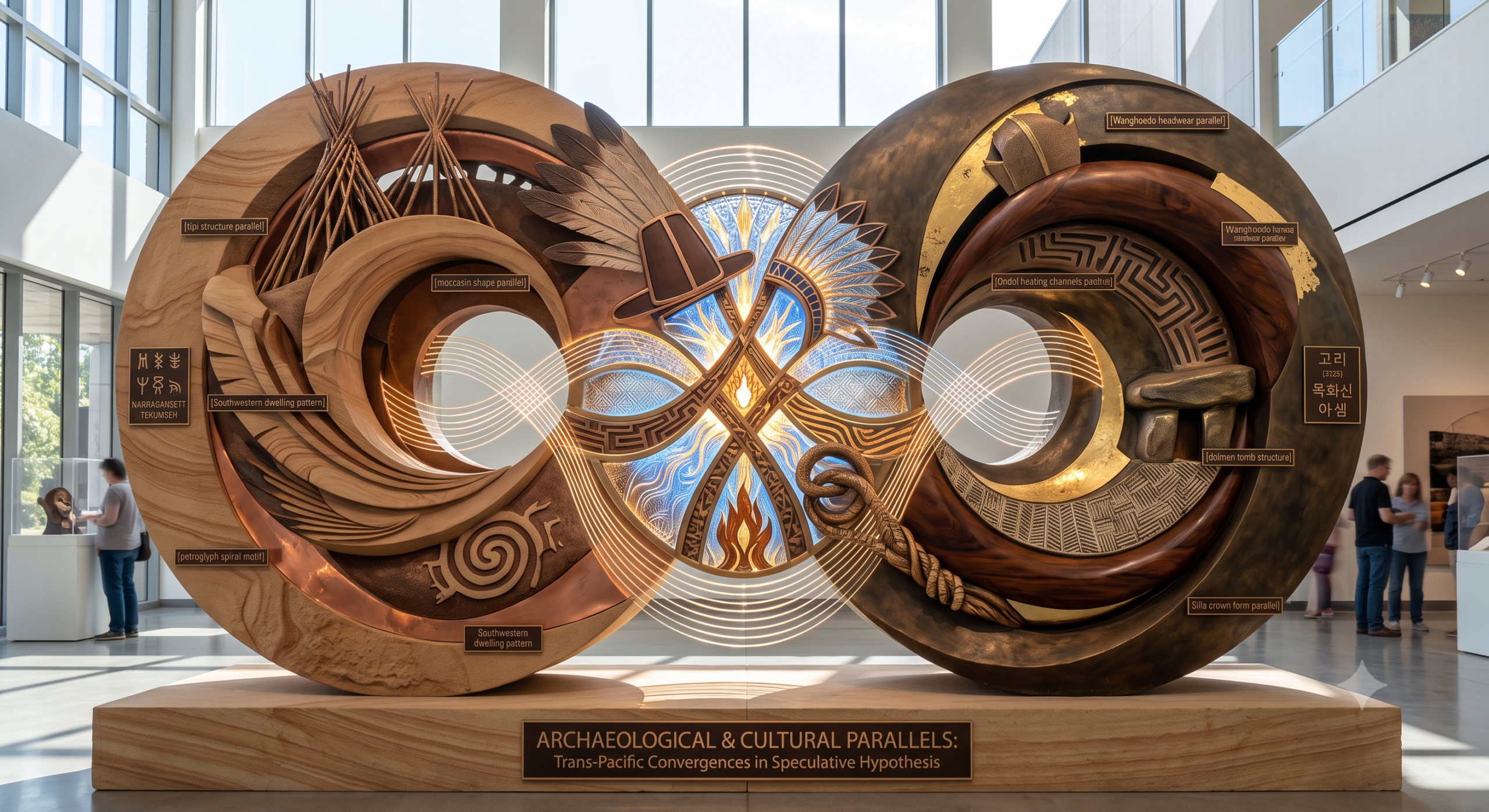
Archaeological & Cultural Parallels
Highlight tangible artifacts and customs: underfloor heating (Ondol) in the Aleutians , topknots (상투) , red cheek rouge (연지) , sacred ropes (금줄) , shamanic ceremonies (굿) , and artifacts like the Silla tomb anteater figurine.
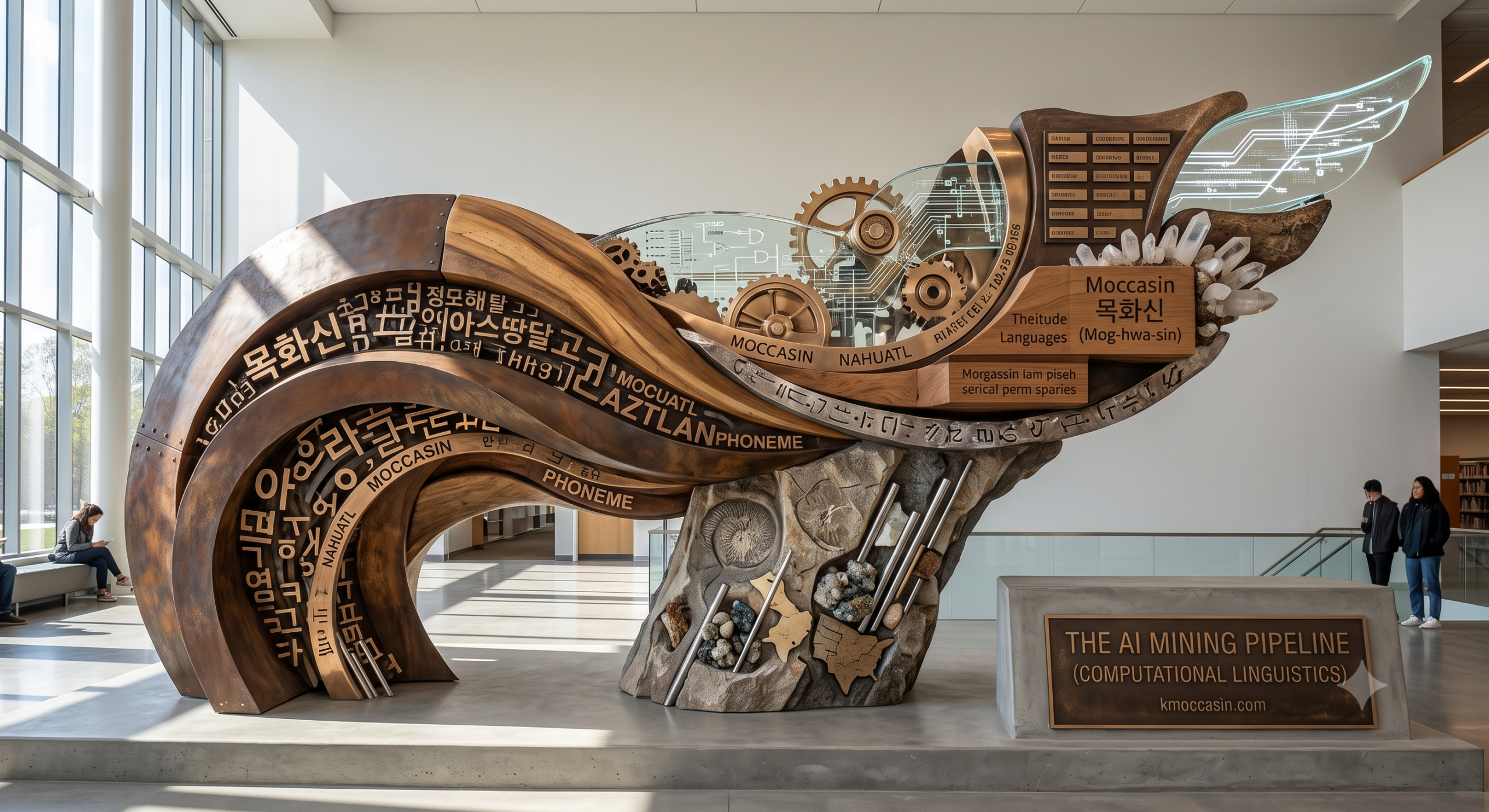
The AI Mining Pipeline (Computational Linguistics)
Highlight how modern AI scales Dr. Son’s manual work. Show the workflow: ingestion of over 50,000 Native place/tribe names from datasets like the USGS Geographic Names Information System (GNIS), mapping through Korean phoneme correspondence tables, confidence scoring, and cross-referencing against established etymologies.
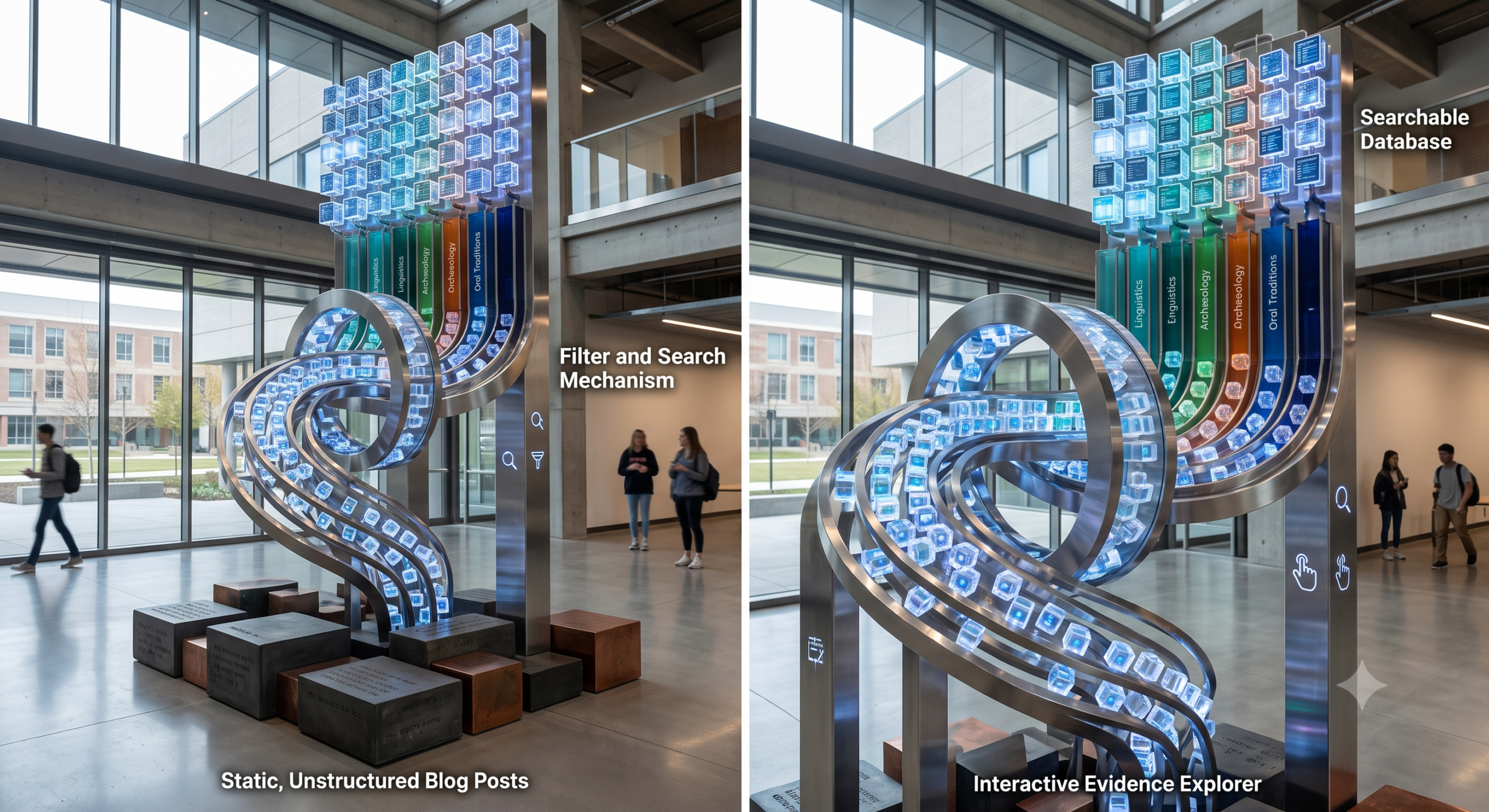
Interactive Evidence Explorer
Replace static blog posts with a filterable, searchable database. Users should be able to filter by linguistic category (place names, everyday terms, tribe names), confidence score, and region.

Academic Transparency & Balanced Discourse
To earn long-term trust, address mainstream academic critiques directly (such as Choi Jong-ho’s evaluations ). Discussing historical phoneme shifts (golgi $\rightarrow$ gori) or broader Northeast Asian shared heritage shows scholarly confidence rather than bias.
Moccasin . Mog Hwa Sin (목화신)
The evolution of “mog hwa sin” (목화신) to “moccasin” is a competing example of the linguistic connections between ancient Korean and Native American languages. It encompasses sound and meaning correspondence, a plausible phonetic shift, cultural context, and distinctiveness, making it difficult to dismiss as mere coincidence. This example supports the broader argument for a historical relationship between these languages and cultures, urging further research and consideration of this compelling theory.
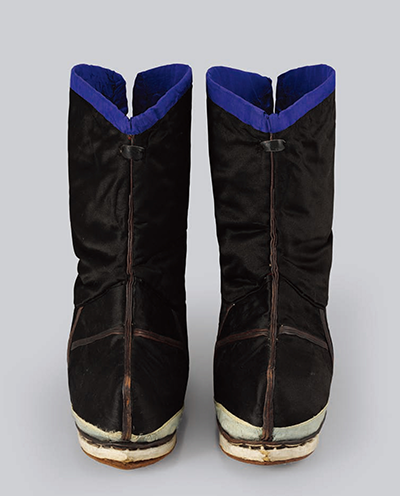
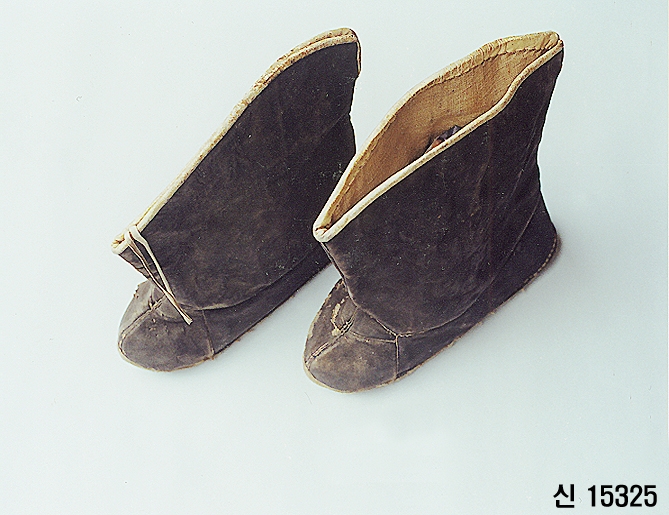
Mog wha sin were shoes made of leather that civil and military officials in the Joseon Dynasty wore with official uniforms or wedding attire. The outer skin and bottom of these shoes were made of leather, and the inner surface was made of hemp cloth to make them comfortable to wear.
Above image from
The National Museum of Korea
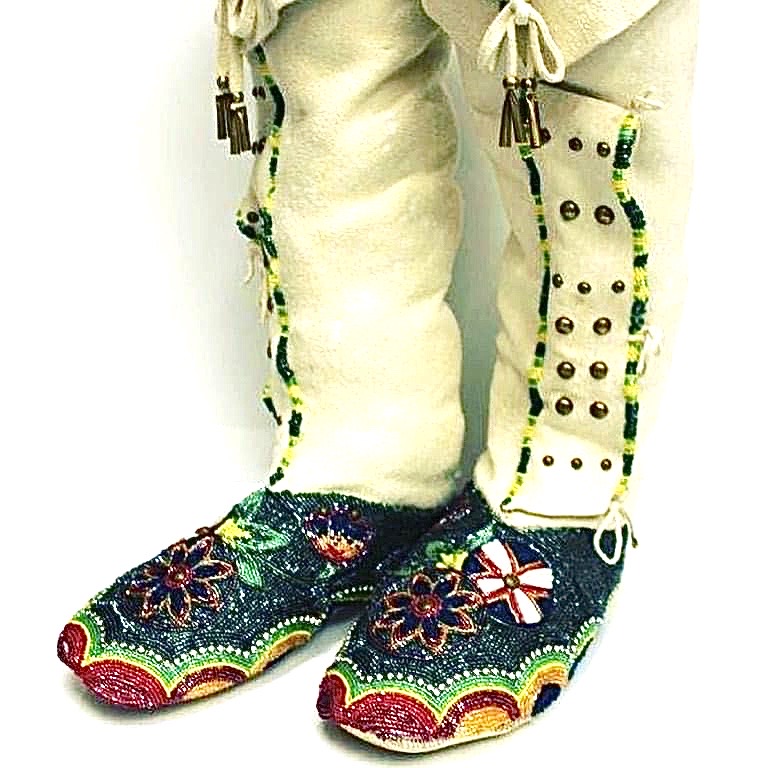
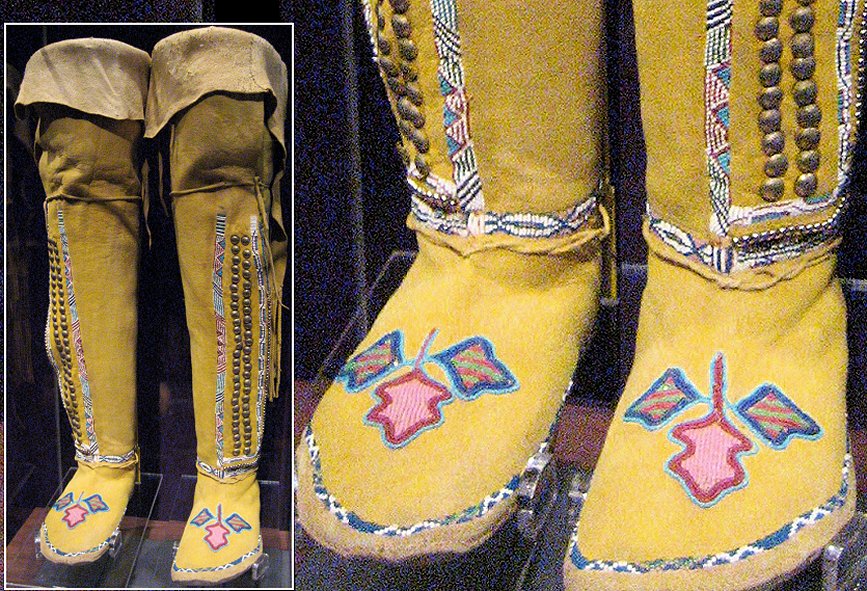
Moccasins, a type of traditional Native American footwear, were typically made of soft leather and known for their comfort and practicality. The term “moccasin” is likely derived from the ancient Korean word “mog hwa sin” (목화신), meaning “wooden shoes.” This linguistic connection suggests a possible link between ancient Korean and Native American cultures.
- The example of “mog hwa sin” (목화신) evolving into “moccasin” is a compelling piece of evidence supporting the theory that Native American languages have ancient Korean roots. The Korean term “mog hwa sin” (목화신), translates to “wooden shoes,” aligning even more closely with the concept of sturdy footwear like moccasins. The remaining points of the analysis remain valid:
- Phonetic Evolution: The phonetic shift from “mog hwa sin” to “moccasin” still demonstrates a plausible linguistic progression.
- Cultural Context and Resourcefulness: The use of “mog” (목) for wood in Korean highlights the historical use of natural materials for crafting tools and footwear. This resourcefulness would likely have transferred to utilizing available materials like leather in the Americas.
- Distinctiveness: The term “mog hwa sin” remains unique to the Korean language, strengthening the argument for a direct linguistic connection rather than a coincidental similarity.
- The evolution of “mog hwa sin” (목화신), meaning “wooden shoes,” to “moccasin” further solidifies the linguistic connection between ancient Korean and Native American languages